
Calculate your BMI

Nutrition guideDaniel ReedWellbeing guideMaya Ellis
Sources and methods

See the references, formula and worked example behind this calculator, along with the assumptions that affect your estimate.

Our approach

Diat explains how each estimate works and where it has limits, so you can use it to make more informed choices about nutrition and everyday habits.

Body mass index, from your height and weight.

Before you calculate

How to use this calculator

Calculate adult BMI from your height and weight in metric or imperial units, then see the category and a height-based reference range.

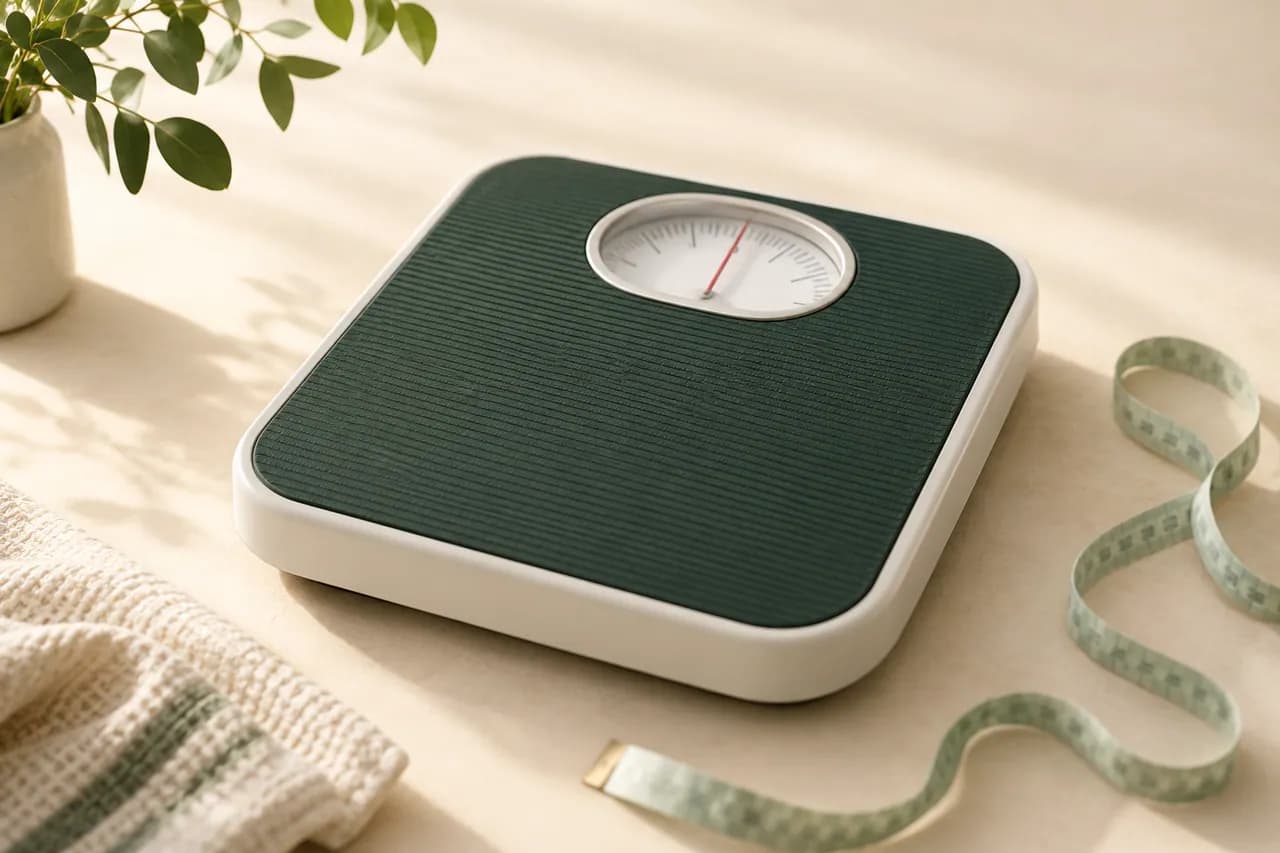
A bathroom scale and a soft measuring tape
  1. Enter the requested details and check any units shown.
  2. Calculate, then review your result and the details you entered.
  3. Read the method, example and limitations before using the estimate.
Method explained

How this calculator works

BMI = weight in kg ÷ height in metres squared. Adult category boundaries are 18.5, 25 and 30. The reference weight range uses BMI values 18.5–24.9 multiplied by height squared; category selection uses the unrounded BMI.

Sources and references: [1]

Height

Weight

Worked example

At 70 kg and 1.70 m, BMI = 70 ÷ 1.70² = 24.2. The reference weight range for this height is approximately 53.5–72.0 kg.

Make sense of your result

Use the worked example to understand the calculation, rather than comparing your result with somebody else’s. If an input is uncertain, change only that input and compare the results. An estimate can help you explore a question; it does not replace an individual assessment.

Worked example

Before you use the result

Use adult categories only for adults; the CDC reference applies to ages 20 and over. Children and teenagers need age-specific assessment. BMI cannot distinguish muscle from fat or diagnose health; pregnancy and body composition can make the reference less useful.

Common questions

Can rounding change the BMI category?

The category uses the full result before rounding. Near a boundary, a displayed value such as 25.0 can therefore belong to the lower category if the underlying value is just below 25.

How this calculator works · Before you use the result

Does a BMI in the reference range mean I am healthy?

BMI alone cannot establish health. It does not distinguish muscle from fat or account for medical history. Read the adult reference range alongside the limitations in “Before you use the result”.

How this calculator works · Before you use the result

Sources and references

  1. CDC - Adult BMI Calculator and category definitionscdc.gov
Diat · IMEDBILL LLC

About this calculator

Diat provides this tool and its explanations. Questions about a calculation or a source can be sent directly to us.

Corrections and questions

Include the tool name, units and steps needed to reproduce the issue. Avoid sending personal medical information.


Try our other calculators

See all